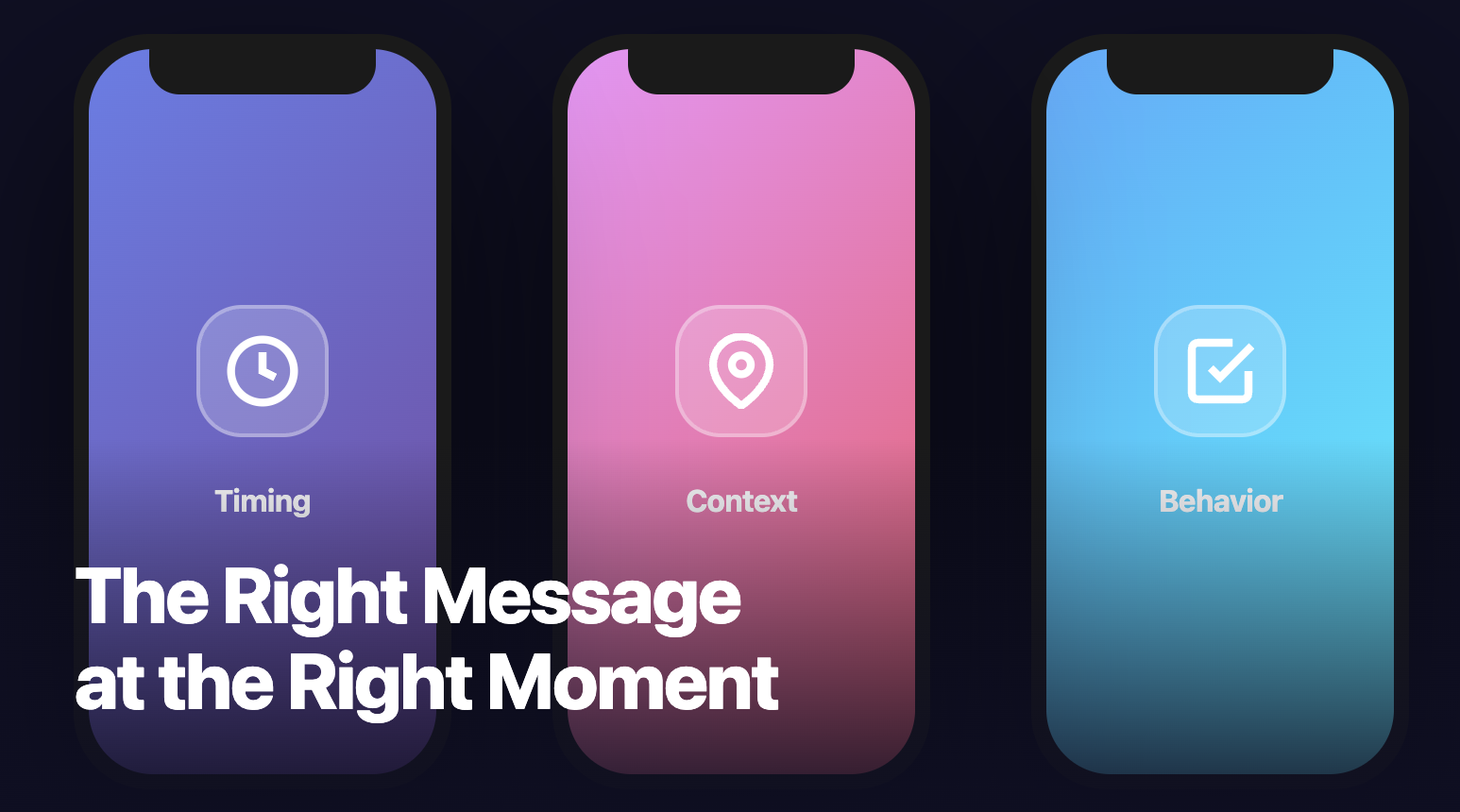
Real user engagement isn’t about sending more messages, it’s about sending the right message at the right moment. The secret lies in understanding three critical pillars: timing (when your user is receptive), context (their real-world situation), and behavior (how they interact with your app).
TL;DR:
- Traditional engagement metrics like DAU tell you what happened, but miss the why, when, and in what context
- Generic push notifications contribute to fatigue: 46 daily notifications mean yours gets lost in the noise
- Personalized, context-aware messaging achieves 4x higher open rates than batch-and-blast approaches
- Understanding user state (sitting quietly vs. rushing through traffic) transforms interruptions into helpful moments
- Focus on meaningful interactions over vanity metrics to build lasting engagement
What is user app engagement in 2026?
User engagementisn’t just about opens, clicks, or time spent in-app. It’s about how repeatedly and meaningfully users get value from your product—the difference between opening your app and actually accomplishing a goal that matters.
According to venture capitalist Andrew Chen, some of the most valuable apps like Airbnb or Uber aren’t opened daily. Their value is episodic, not constant. This challenges the traditional focus on Daily Active Users (DAU) as the ultimate success metric.
The reality? “Good” engagement depends entirely on your app’s purpose. A 50% DAU/MAU ratio is amazing for social media apps, but SaaS apps average 10-20%. A meditation app used for 10 minutes daily has a completely different engagement pattern than a flight booking app used twice yearly, and both can be wildly successful.
The stakes are high: most apps are uninstalled within 30 days. If your app doesn’t deliver value in a way that resonates with users’ lives in that critical first month, chances are they’ll move on.
Why Traditional Metrics Miss the Mark
Traditional analytics tell you what happened but rarely explain the why, when, or in what situation. This gap leads to generic engagement strategieslike sending the same push notification to all users simultaneously.
With the average US user receiving around 46 push notifications daily, most messages get ignored. This creates notification fatigue and, eventually, churn. When only 4% of push notifications get opened on average, it’s clear that generic timing contributes significantly to the noise.
Breaking through depends less on a bigger marketing budget and more on understanding the complete picture through three key pillars.
The Three Pillars of Effective Engagement
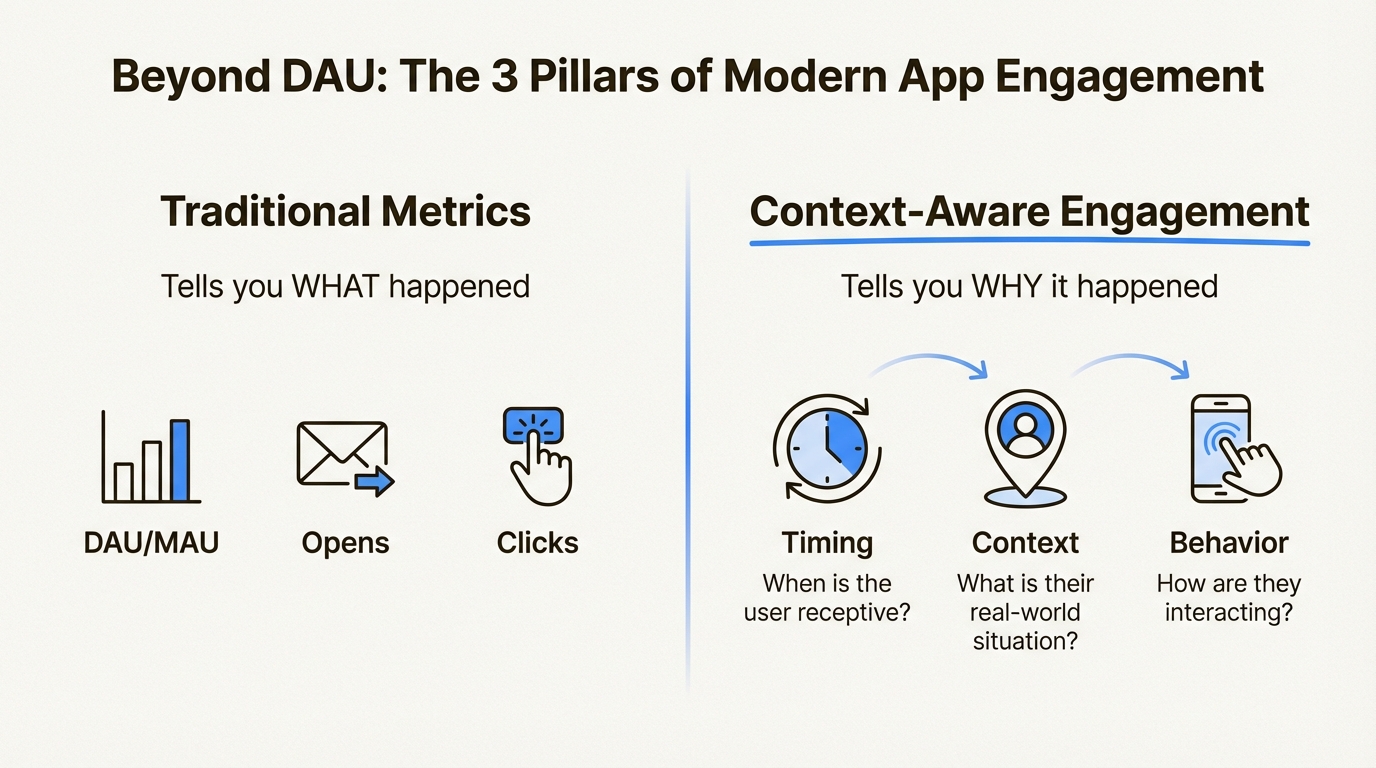
1. Timing: Beyond “Golden Hours”
For years, the engagement playbook was simple: identify when most users are active and send notifications then. It seems logical, but it’s a blanket strategy that ignores one crucial fact - your users are individuals, not a monolith.
A 6 PM push notification might be perfect for someone winding down on their couch but instantly dismissed by someone stuck in rush hour traffic. This one-size-fits-all approach contributes to “notification blindness,” where users become so overwhelmed they filter everything out.
A better approach: Identify each user’s unique “receptive state.” Personalized communicationcan achieve four times higher open rates than generic ones. It’s about knowing the difference between a user having a quiet moment and one actively on the move.

2. Context: Understanding Real-World Situations
Knowing when to engage is only half the battle. To truly connect with users, you need to understand their context - what they’re actually doing in the real world.
Context goes beyond location data. Are they in transit, walking, sitting quietly, or in bed? This real-world activity data allows you to make your app more helpful and less interruptive.
Example: A health and fitness app sending a meditation notification is brilliant if your user is sitting quietly at home. That same notification is disruptive if they’re mid-run or driving. Without context, you’re guessing.
The good news? Modern approaches analyze this context on-device, respecting user privacy while providing the insights you need to share contexctual experiences without collecting Personally Identifiable Information (PII).
3. Behavior: How Users Actually Interact
Behavior insights reveal patterns in how users engage with your app. What features do they use most? When do they typically convert? What triggers lead to successful outcomes?c
Combining behavioral data with timing and context creates powerful opportunities. A dating app could trigger a premium subscription offer right after a user gets a new match, when they’re highly engaged and see immediate value. A music app could prompt users to save songs when they’re relaxing at home, not on a noisy bus.
.png)
This alignment between business goals and real-life moments is where magic happens.
How to Put These Insights into Action
Optimize push notifications with perfect timing
Generic, non-transactional messages like re-engagement campaigns and special offers are the primary source of notification fatigue. Contextual timing changes this.
Studies show that contextual notifications achieve an average open rate of 16.3% compared to 4.7% for generic one - more than a 3x improvement. This comes from being more considerate of users’ time by sending messages precisely when they have a free moment and are in a receptive state of mind.
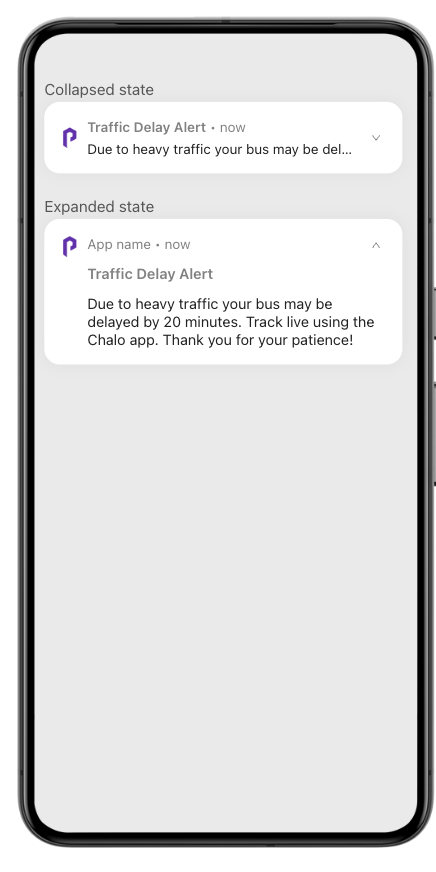
With Plotline, you can:
- Create smart notifications and permission campaigns that wait for the right moment
- Set up rules based on user state and behavior patterns
- Test different timing strategies without writing code
Drive in-app conversions and subscriptions
An ill-timed paywall or subscription offer disrupts the user experience. Asking someone to upgrade while they’re rushing through an airport gets dismissed.
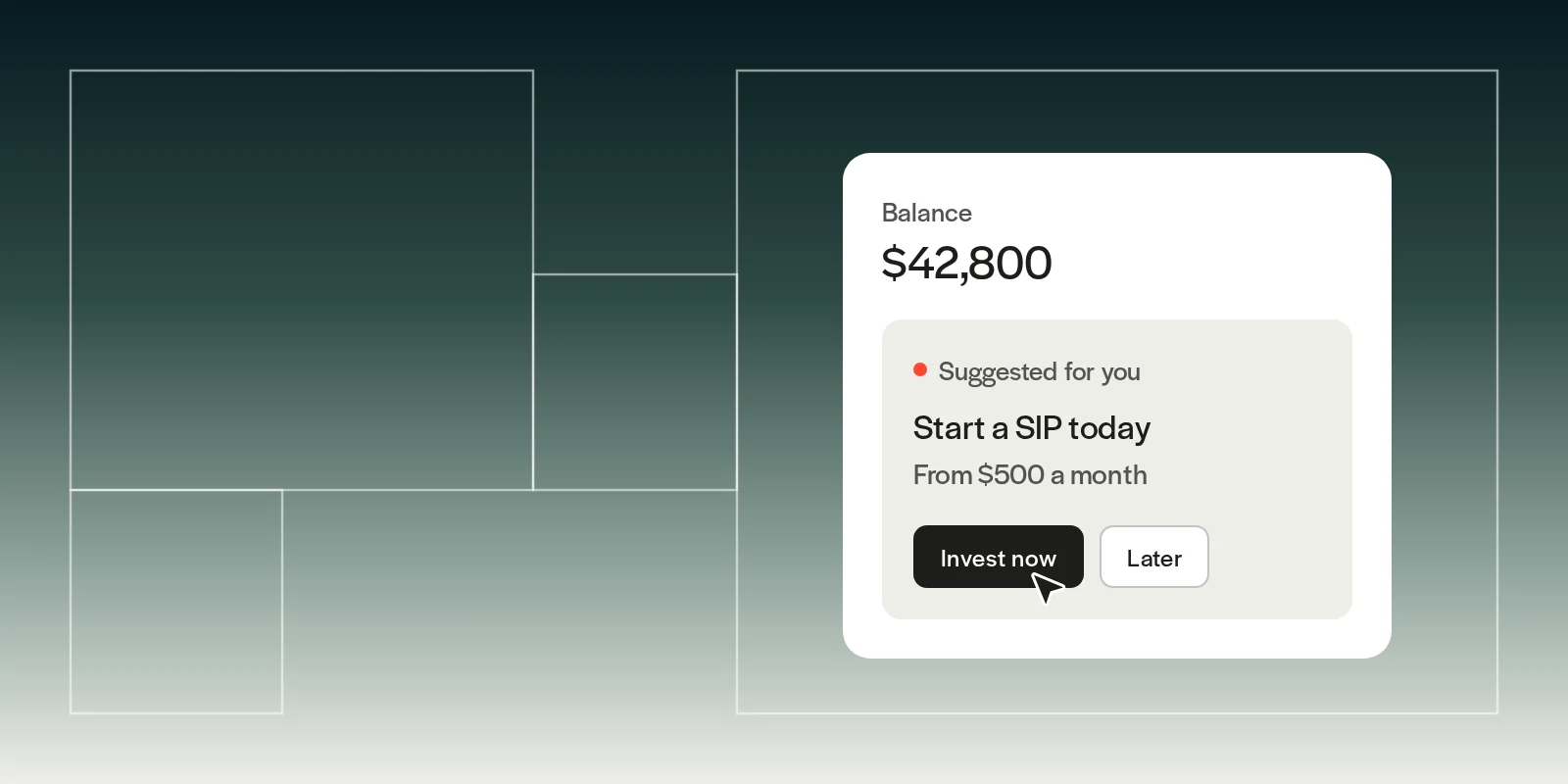
Use context to identify high-intent moments when users are most likely to convert. Present offers when users are engaged and see immediate value in unlocking features.

Plotline makes this simple:
- Design beautiful in-app prompts that appear at optimal moments
- Trigger conversion flows based on user behavior and state
- A/B test different offers and timing without dev dependencies
Personalize the on-app experience in real time
Most apps deliver static experiences with the same home screen and features regardless of situation. But what if your app adapted in real-time?
A news app could surface short, scannable headlines for walking users but offer long-form articles to someone sitting with time to spare. You could create simplified onboarding for commuters and detailed walkthroughs for users relaxed at home.
This dynamic adaptation respects users’ time and attention, making your app feel more intuitive and helpful.
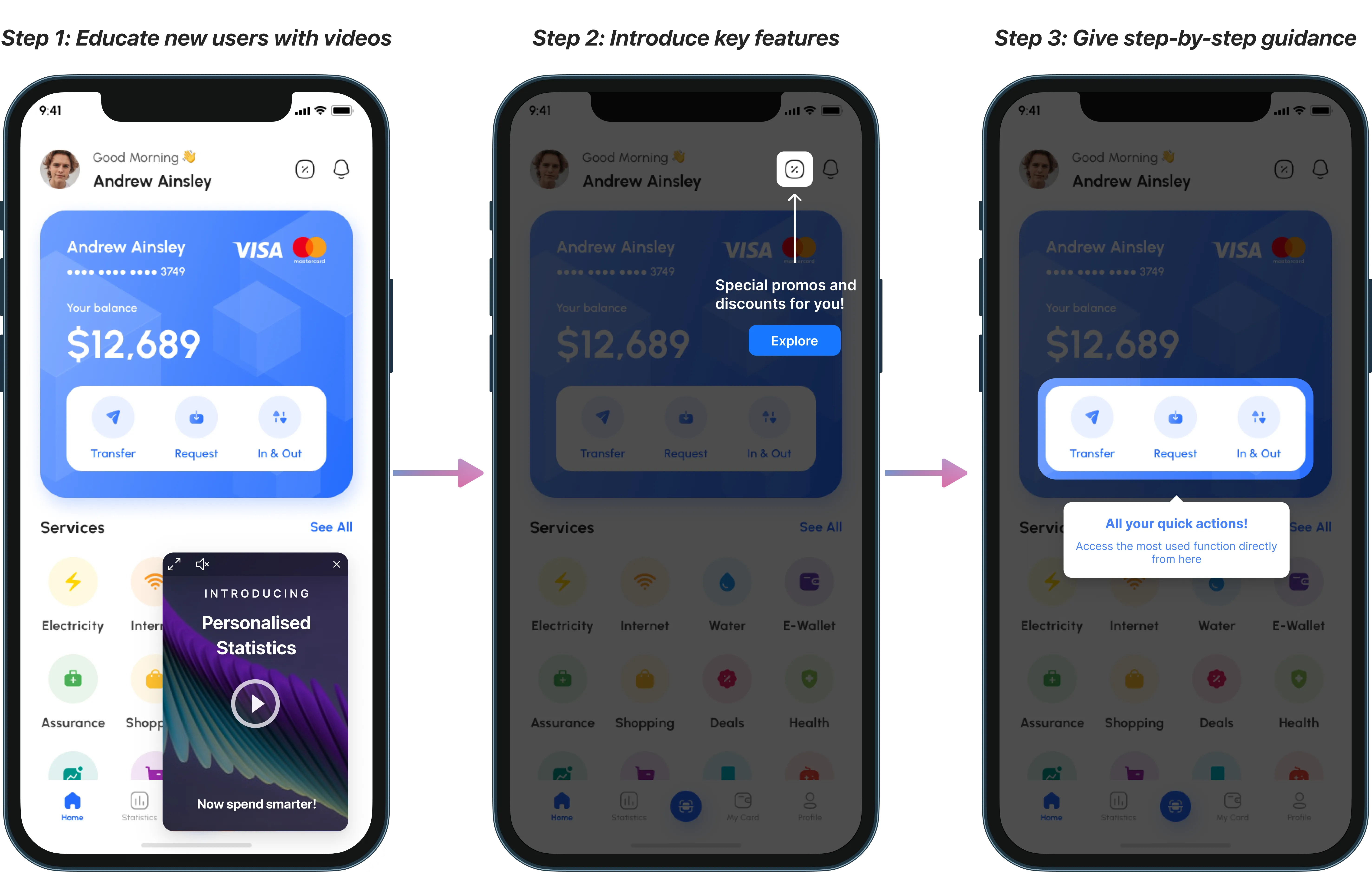
Building this with Plotline:
- Create multiple experience variants for different user states
- Set up conditional flows that respond to context
- Deploy changes instantly without waiting on development cycles
From Measurement to Understanding
Effective user engagement in 2026 is less about increasing message volume and more about understanding user needs. It requires grasping each user’s unique timing, context, and behavior.
The focus is shifting from tracking what users do in your app to understanding the why, when, and in what situation they do it. Moving beyond leading metrics like DAU and focusing on moments that matter is how you build an app that resonates.
Here are seven practical tips to boost user engagement, reinforcing the importance of thoughtful, user-centric strategies:
1. Start with one specific use case
Rather than overhauling everything at once, optimize your push notifications first. Use context-aware approaches to deliver messages only when users are receptive, sitting still or relaxing at home.
2. Compare cohorts to measure impact
Experiment by tracking a control group with generic engagement against a test group applying timing, context, and behavior principles. Monitor 30-day retention, churn rate, and feature adoption to see the lift.
3. Avoid the “golden hours” trap
Stop relying on aggregate data that ignores individual user patterns. Personalization beats batch-and-blast every time.
4. Respect privacy from the start
Modern approaches analyze context on-device rather than sending sensitive data to the cloud. This gives you insights without collecting PII.
5. Align messaging with user goals
Make every interaction helpful rather than interruptive. Ask yourself: “Does this message help the user accomplish something they care about right now?”
6. Test, learn, iterate
Start small, measure results, and expand what works. The beauty of no-code tools is you can iterate quickly without lengthy development cycles.
7. Focus on quality over quantity
One perfectly timed, contextually relevant message beats ten generic notifications every time.
Frequently Asked Questions
Q. How do you measure the impact of timing, context, and behavior on retention?
A. Compare cohorts by tracking a control group with generic engagement against a test group where you apply timing, context, and behavior principles. Monitor metrics like 30-day retention, churn rate, and feature adoption. A significant lift in the test group demonstrates impact.
Q. What are the biggest mistakes apps make when analyzing user engagement?
A. The biggest mistake is relying on “golden hours” or aggregate data that ignores individual user patterns. Another common error is collecting too much personal data, raising privacy concerns. The key is using on-device analysis to understand user state without being invasive.
Q. How does privacy fit into tracking timing, context, and behavior?
A. Privacy is central. Modern approaches avoid sending sensitive data to the cloud, using on-device AI to analyze signals locally on users’ phones. This provides the insights needed to personalize experiences without collecting Personally Identifiable Information (PII).
Q. What’s the first step to improving engagement for my app?
A. Start with one specific use case. Optimize your push notifications by using context-aware tools to deliver messages only when users are in receptive states like sitting still or relaxing at home. This provides a quick win and demonstrates value immediately.
Q. Is this approach relevant for all types of apps?
A. Yes, these principles apply to almost any app. Whether you’re a fitness app suggesting workouts, a news app delivering headlines, or an e-commerce app promoting sales, understanding users’ real-world situations is key. It makes your interactions helpful and relevant instead of just another interruption.
Ready to build engagement strategies that actually work? Plotline helps product and growth teams create context-aware, personalized in-app experiences without code. Learn how Plotline can transform your engagement strategy.